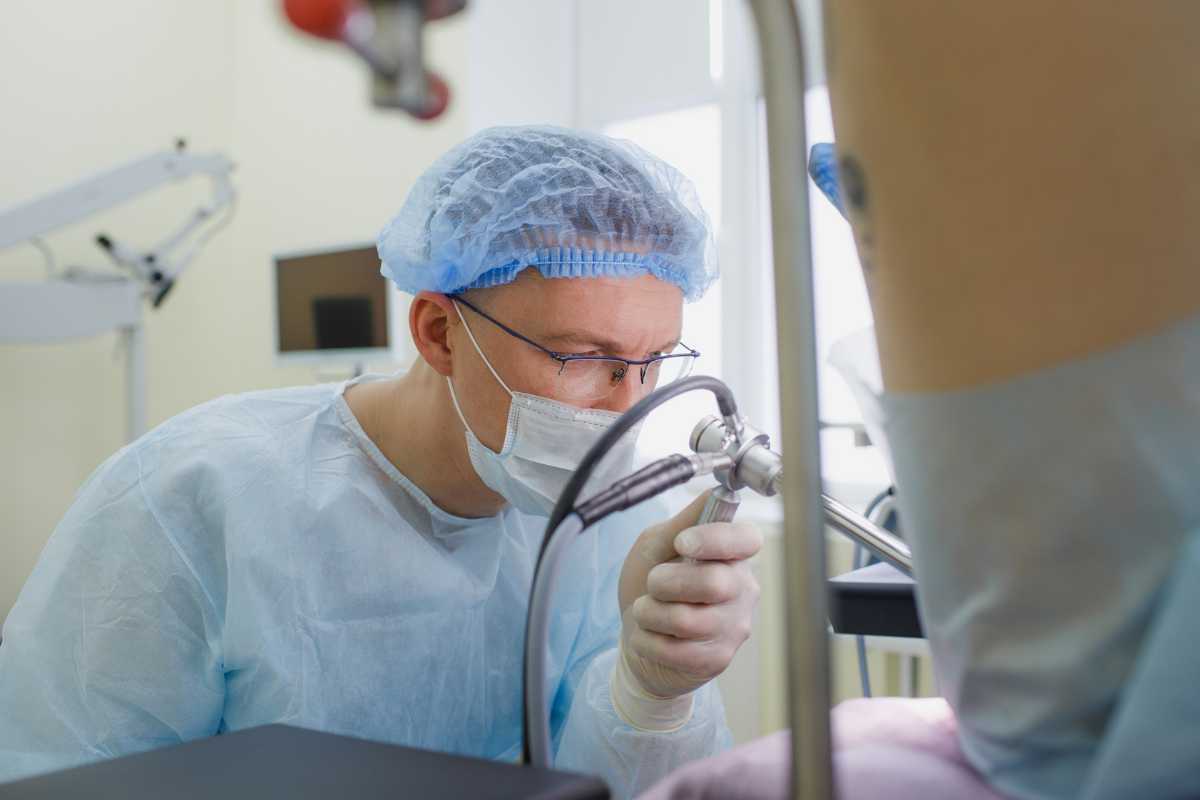

Rectal surgery involves surgical procedures on the rectum, the final section of the large intestine. It’s typically performed to treat conditions such as rectal cancer, hemorrhoids, rectal prolapse, or inflammatory bowel diseases like ulcerative colitis. The surgery may involve removing part or all of the rectum, repairing or reconstructing tissues, and sometimes creating an alternative way for stool to exit the body, like a colostomy. The specific approach depends on the underlying condition and its severity.
Risks and complications of rectal surgery include infection, bleeding, anastomotic leaks (where the intestine is rejoined), bowel dysfunction (such as constipation, diarrhea, or incontinence), nerve damage leading to sexual or bladder control issues, blood clots, wound healing problems, and the potential recurrence of the underlying condition, like cancer.
The recovery period after rectal surgery typically ranges from 4 to 8 weeks, depending on the type of surgery and the patient’s overall health. Full recovery, including the return to normal activities, may take several months.
To prepare for rectal surgery, you’ll undergo a medical evaluation with tests and imaging. Your doctor may adjust medications, such as stopping blood thinners, and manage any chronic conditions. You’ll likely need bowel preparation with a special diet or laxatives to clean your intestines and fast for a specified period before surgery. Follow preoperative instructions, such as using antiseptic soap, and arrange transportation and post-surgery care. Lastly, discuss the anesthesia plan and its potential risks with your healthcare provider.
Follow-up care after rectal surgery involves regular post-operative appointments to monitor healing, remove sutures, and check for complications. You’ll need to follow specific wound care instructions, keeping the surgical site clean and dry. Pain management is crucial, so take prescribed medications as directed. Dietary adjustments are also important, often starting with a soft or liquid diet and gradually reintroducing solid foods. Additionally, you may need guidance on resuming physical activities and managing bowel function as you recover.